Concert tickets · tour dates · upcoming events
Dec 19, 2026 – Feb 13, 2027
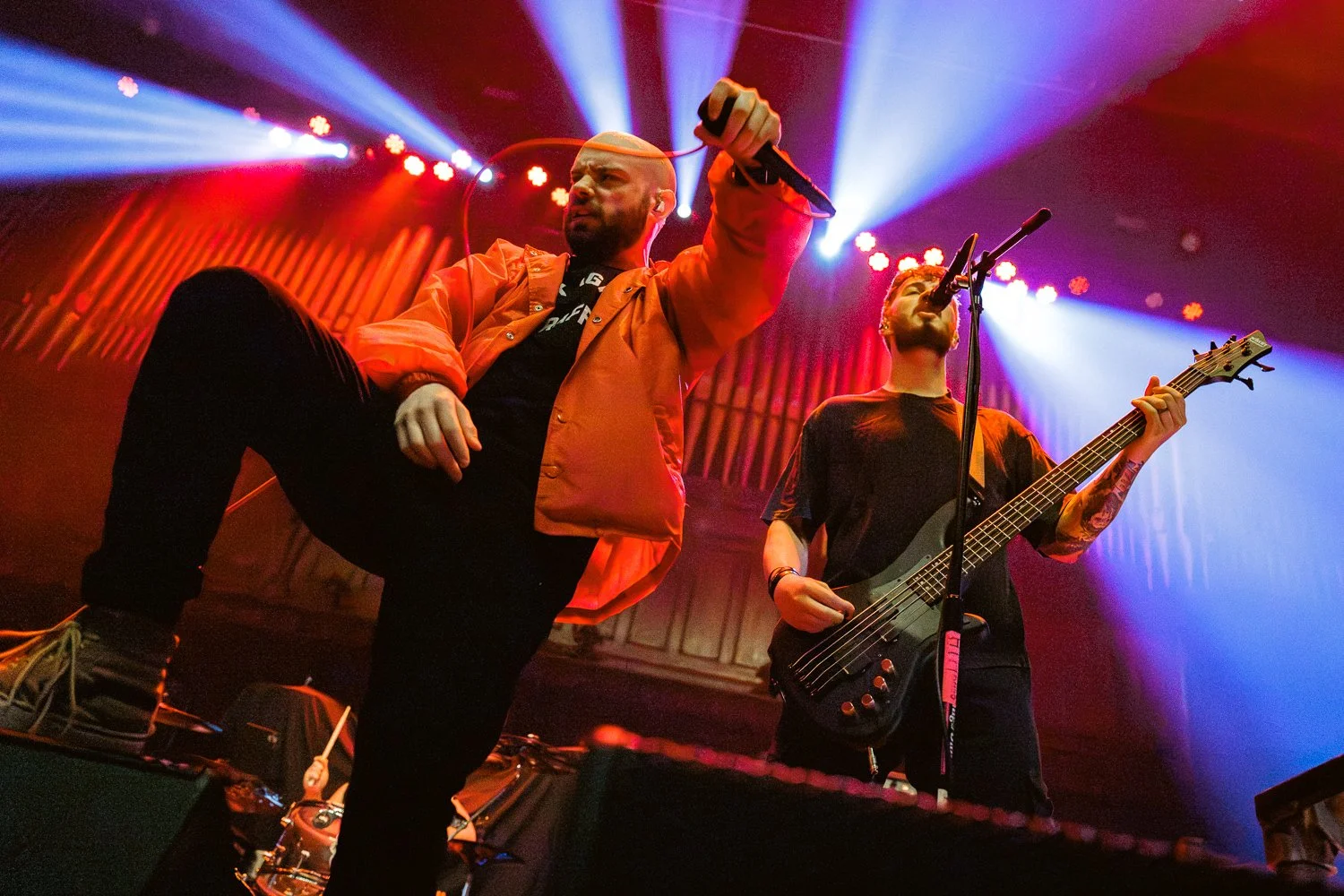
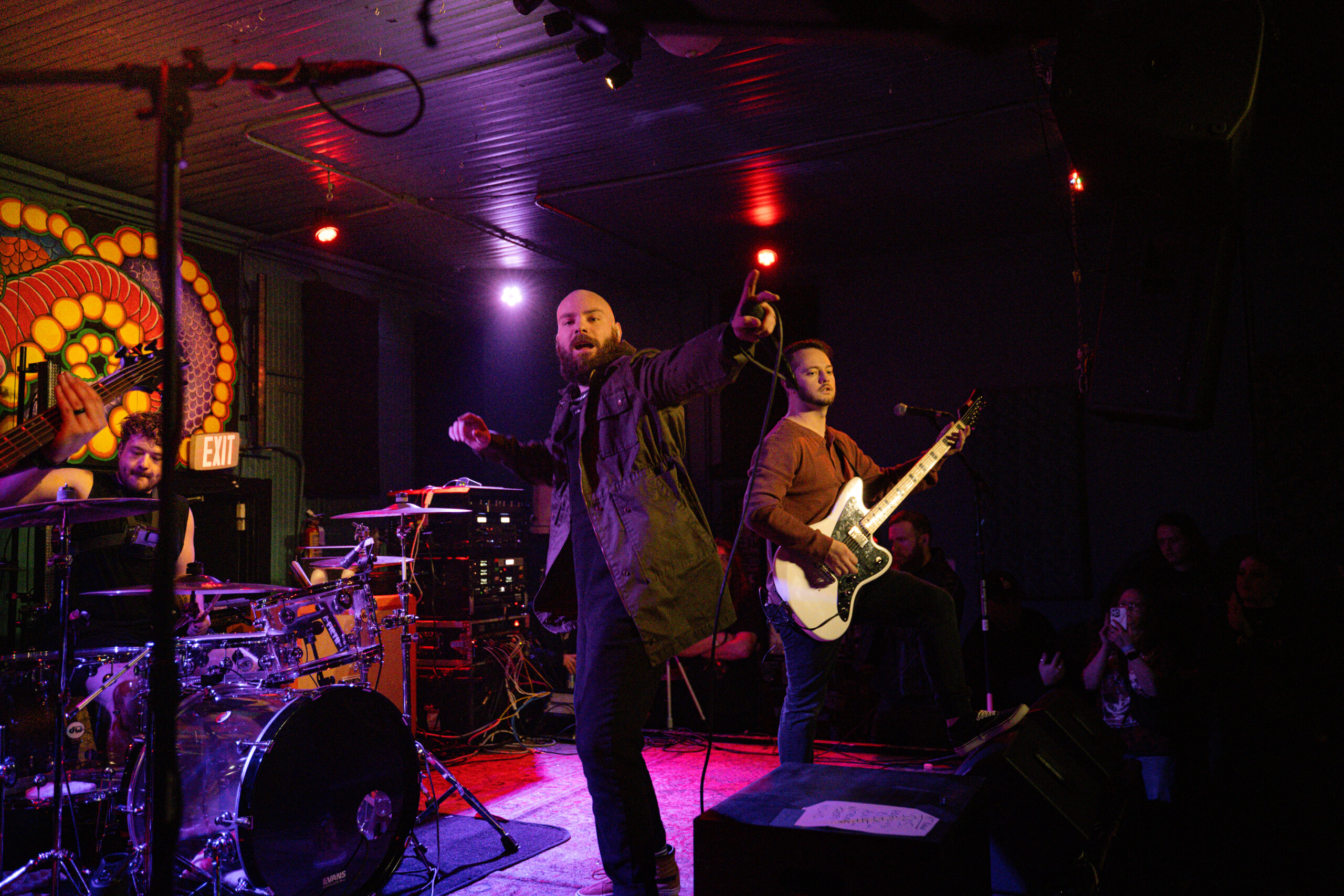
Heal The Hurt brings its current live run to rooms that reward close attention, and this subtitle is your invitation to see what the band builds night after night. A Heal The Hurt show tends to feel less like a formal concert and more like a shared room where the crowd and the stage pull in the same direction, with lighting and sound chosen to hold the atmosphere steady rather than chase spectacle. Listeners drawn to songs with emotional directness and room to breathe often find their way to these performances, and the audience that gathers tends to be mixed in age and background, united by a willingness to sing along and stay present. The current run stands out for its scope: it is built as a sustained stretch of dates rather than a single stop, moving across a broad geographic spread and passing through a range of venue types, from intimate spaces where the sound feels close enough to touch to larger halls where the arrangements gain weight. Across the length of the run, the typical set moves with purpose, opening with momentum, easing into slower and more reflective material in the middle, and building back toward a driving finish that leaves the room loud and lingering. Pacing stays deliberate so that quieter passages land as clearly as the big choruses. Every date, city, and venue is laid out in full in the table below, so check it early, since the route determines which shows are closest to you and which ones may sell out first.
Nothing matches — clear a filter and try again.
No dates are on sale right now. New dates are listed here the day they are announced.
12 shows · 12 cities
Dec 19, 2026 – Feb 13, 2027
Ticket prices for Heal The Hurt shows move with several factors. The city and the size of the venue matter a great deal: a large arena in a major market usually carries higher face values than a smaller theatre in a secondary city. Seat location is the other major driver, so floor seats near the stage and seats with a clear sightline typically sell for more than seats at the back or behind the stage. Timing also plays a role, since demand, remaining inventory and how close the date is to the show can all push prices up or down. This is why two dates of the same tour can cost very differently even when they share a set list and a production.
VIP packages and meet and greets are usually sold as bundles that can include a premium seat, merchandise, early entry, or a brief encounter with the band. What is included varies from date to date, and not every show offers these options, so it is worth reading the package description carefully before paying. Presales are early on-sale windows that some fans can access before general sale. Access to a presale typically depends on a fan club membership, a credit card partnership, or a venue or artist mailing list. A presale code should come from the artist, the venue, or the card issuer directly. Be cautious of third-party sites that offer codes for sale or claim to unlock presale access, as these are often unreliable or fraudulent.
Resale marketplaces let fans buy tickets from other buyers, and listings can be priced above or below face value depending on demand close to the show. Before paying, check the section and row carefully against the venue map, and confirm whether the price includes fees. Also be aware that many resale tickets are delivered only as mobile transfers, so you will need the right app and an account in your name to get in. Read the seller's and platform's refund and transfer policy before you commit.
A night at a Heal The Hurt show usually runs for several hours from the moment doors open to the final encore, though the exact length depends on the venue and the promoter. For an act of this kind, doors typically open well before the headline set, leaving a gap that is often filled by one or more support acts. Who plays before the band varies by date, so it is worth checking the listing for the specific show you are attending rather than assuming the lineup from another night.
The headline set tends to be built around a blend of familiar material and newer work, giving longtime listeners recognisable moments while letting the band show where its sound has gone. Expect a set that moves through changes in intensity, with heavier passages balanced by more open, melodic stretches, so the energy rises and falls rather than staying at one pitch throughout. Production is generally focused on the music itself, with lighting and sound designed to support the performance rather than overwhelm it, which suits a band whose appeal rests on atmosphere and craft.
For practical planning, age policies are set by each venue rather than by the band, so check the venue's own rules before buying tickets, especially if you are bringing someone under 18. Arriving reasonably early helps with entry queues and lets you settle in before the support act begins. Most venues apply bag restrictions, so keep your bag small and check the rules in advance. Earplugs are worth bringing, as they protect your hearing over a long evening of loud music without dulling the experience much.
I don't have reliable information about Heal The Hurt's best-known songs, so I won't name specific tracks that might be wrong. Fans who want to know what to expect should check the band's official website, streaming profiles and recent concert listings, where the most-played titles usually show up. Whatever the core favourites turn out to be, the exact setlist changes from night to night, so any list of songs is only a rough guide to a single show.
Most live sets from acts like this tend to mix well-loved older material with newer songs, the occasional deep cut and sometimes a cover, though the proportions vary by tour and venue. Fans often compare notes after the show, swapping setlists from social media, fan forums and setlist sites to see which songs were dropped, added or reworked. Those comparisons are a big part of the experience, since no two nights are quite the same.
The current live show is built around [stage production details, such as lighting design, backdrop, or staging].
These moments are documented on [official source, e.g., the band's website or label catalog], which is the best place to confirm release details and personnel for each era.
Its audience is typically made up of [listener profile, e.g., listeners drawn from specific genre communities or age ranges].
Support acts are usually [description of style or relation to the band], which gives the early part of the night a different feel.
If the band's sound and live approach sound like your kind of night, browse the upcoming dates listed below. Each entry includes the venue, city, doors and start times, and ticket information, so you can compare nights and plan travel. Dates are added as they are confirmed, so checking back before you buy is worth the time. Whether you are new to the music or have followed the band for years, the listings are the quickest way to find a show near you and see where the tour is heading next.
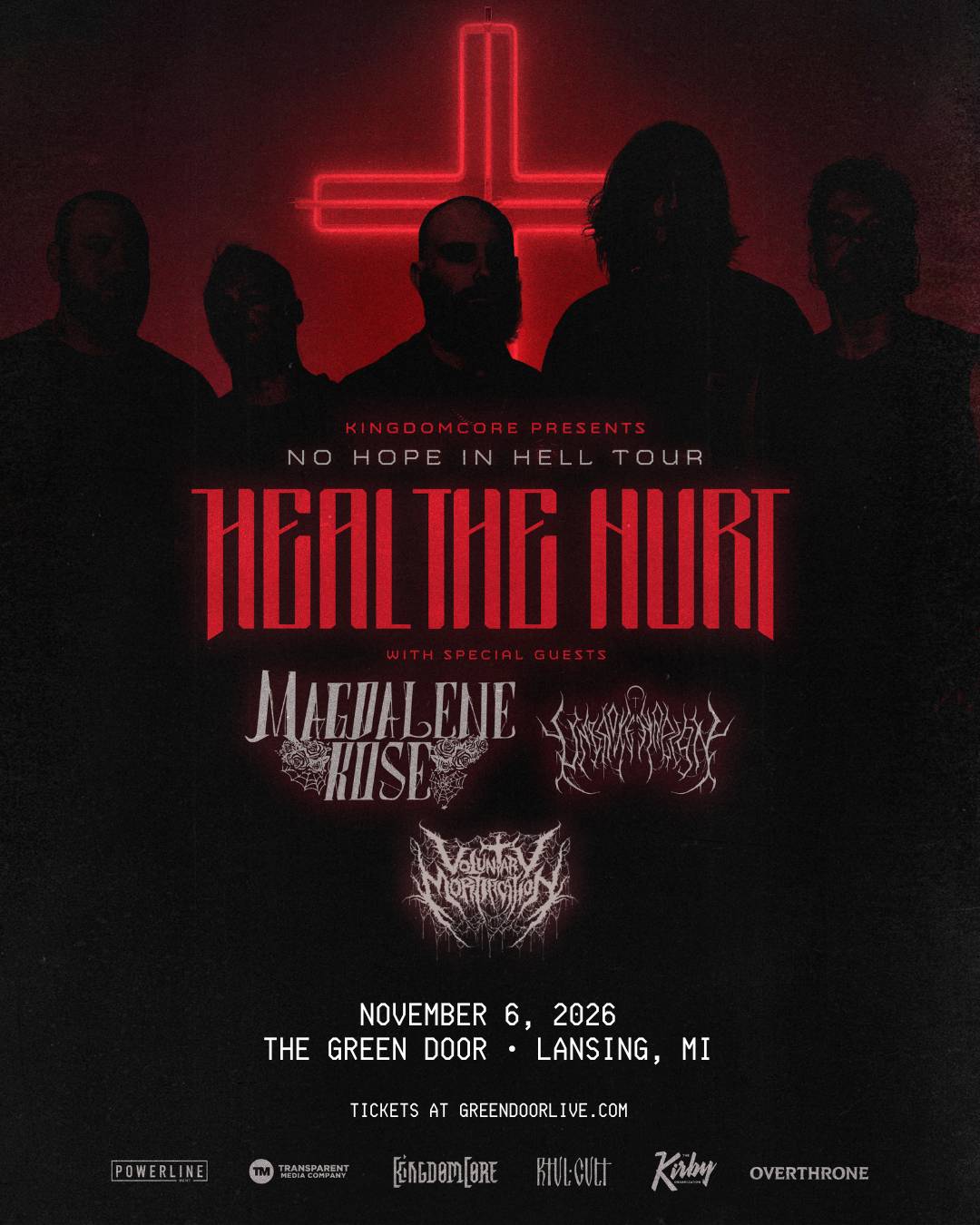
Heal The Hurt is touring in 2026 & 2027: 12 shows are on the calendar across 12 cities. The closest date is Dec 19, 2026 at Altar at Masquerade - GA in Atlanta.
There is no Heal The Hurt concert on Nov 23, 2026. The tour picks up Dec 19, 2026 at Altar at Masquerade - GA in Atlanta.
All 12 upcoming Heal The Hurt shows are in the United States, with the most dates in California (4), Colorado (2), Arizona (1), Georgia (1) and Kansas (1) and 3 more states or regions. No dates outside the United States are listed right now.
Running time isn't fixed and changes with the tour, the venue's curfew, and whether there is a support act. This FAQ can't promise a set length for Heal The Hurt, so check the event listing for your date. If you need to plan travel or childcare around the end time, contact the venue box office. Doors-to-finish timing is often listed there too.
It depends on the specific date. Some Heal The Hurt concerts include support acts and others may be headline-only, and lineups can change after they're announced. This page doesn't name any supporting acts, so the most reliable source is the event listing for your show date. Lineup updates are usually posted there and on the venue's website, so check again close to the show.
The age policy is set for each show by the promoter and venue, so it can differ from one city to the next. Some dates may be all ages, while others may require guests to be 18 or 21 and older, often depending on whether alcohol is served. Check the age requirement on the event listing before you buy, and bring valid photo ID to the venue.
Doors open before the show starts, giving fans time to enter, find their seats, and browse merchandise. The gap between doors and the start of the headline set varies by venue and by whether there is a support act. Exact times are listed on each event page, so check the doors and showtime for your date. Arriving soon after doors gives you time for security and entry.
Ticket prices aren't listed on this page because they vary widely. Factors include the venue's size, seat location such as floor versus balcony, the date and demand, and whether the ticket is standing or seated. Fees and taxes are typically added at checkout. Check the event listing or the official ticket seller for current prices for your show.
VIP packages and meet and greets aren't offered at every show. When they are available, they're typically sold through the official ticket seller, and the details, such as what's included and how many spots exist, are set for each date. This page doesn't describe any specific package. Check the event page or the artist's official website for current options.
On-sale dates and any presale windows differ by tour and venue, and this FAQ doesn't list specific codes or times. Presales, when offered, are often tied to a mailing list, a credit card partner, or a fan club. To avoid missing out, sign up for the artist's official newsletter and check the event page for the on-sale schedule. Be wary of codes shared on unofficial sites.
If a show is cancelled, refunds are generally handled through the original ticket seller, often automatically. If a show is postponed, your ticket is usually valid for the new date, though some buyers may be offered a refund instead. Policies vary, so read the official notice and the seller's terms carefully. Keep your confirmation email, and hold off on reselling until the new date is confirmed.